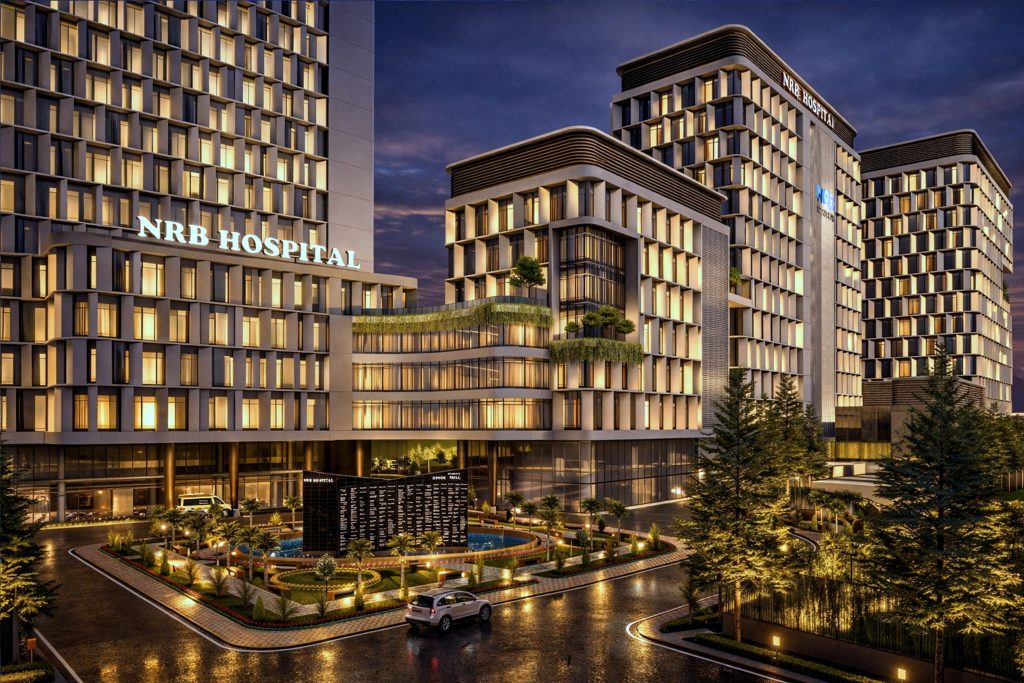
The Future of Engineering & Architecture: Where Innovation Meets Responsibility

Engineering and architecture are no longer just about building structures—they are about shaping smarter, safer, and more sustainable futures. In today’s rapidly changing world, modern engineering and architectural practices are driven by innovation, technology, and a strong sense of environmental and social responsibility. Smart Design for a Smarter World Contemporary architecture focuses on intelligent planning that maximizes space, efficiency, and user comfort. From compact urban apartments to large-scale commercial complexes, designers now prioritize functionality, natural lighting, ventilation, and flexibility. Buildings are no longer static—they are adaptive systems designed to respond to human needs and environmental conditions. Sustainable Engineering as a Necessity Sustainability is no longer an option; it is a requirement. Engineers today integrate eco-friendly materials, energy-efficient systems, rainwater harvesting, solar solutions, and waste-reduction strategies into their designs. Green buildings reduce operational costs while minimizing environmental impact, creating long-term value for owners and communities alike. Technology Transforming Construction The rise of Building Information Modeling (BIM), advanced structural analysis software, drones, and AI-driven planning tools has revolutionized how projects are designed and executed. These technologies enhance accuracy, reduce errors, improve coordination, and ensure better project management—from concept to completion. Resilient Structures for a Changing Climate With increasing climate risks, modern engineering emphasizes resilience. Structures are now designed to withstand earthquakes, floods, cyclones, and other environmental challenges. Safety, durability, and compliance with updated building codes are at the core of responsible engineering practices. Collaboration Between Engineers & Architects Successful projects today rely on seamless collaboration between architects, civil engineers, MEP consultants, and planners. This integrated approach ensures that aesthetics, structural integrity, cost-efficiency, and constructability work together in harmony. Shaping Tomorrow’s Cities Engineering and architecture play a crucial role in urban development. Smart cities, efficient transportation networks, affordable housing, and sustainable infrastructure are shaping the way future generations will live and work. Conclusion Current engineering and architecture are about more than construction—they are about creating meaningful, sustainable, and resilient environments. By combining creativity with technology and responsibility, today’s professionals are building a better tomorrow—one structure at a time.